Glitter 20 Oz Skinny Tumbler Wrap: A Designer’s Honest Review
When a graphic is labeled as a tumbler wrap, most embroidery designers scroll past it. But the Glitter 20 Oz Skinny Tumbler Wrap stopped me because its glittery, high-contrast mood feels like a natural fit for statement embroidery pieces. I’m not just looking at a PNG file; I’m already imagining how it would translate into satin stitches, metallic threads, and a finished product that someone would reach for on a craft fair table. Before I commit to digitizing a design for client work, I always run through a mental checklist of how it will behave on fabric, which stabilizer it will demand, and whether the final stitch-out will actually make customers pause. This review is that thought process, applied directly to this specific graphic asset.
First Impressions of a Glitter Statement
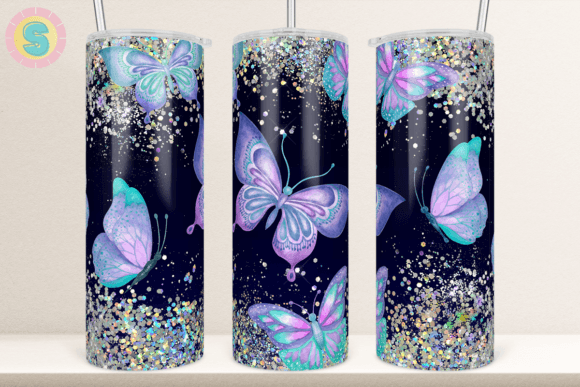
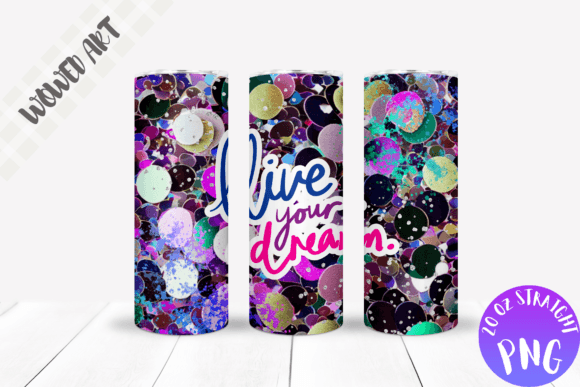
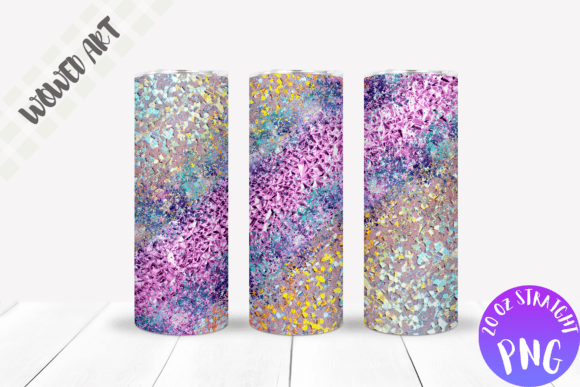
The file comes as a 9.3×8.2 inch straight PNG, packaged in a zip archive. That’s a generous canvas for a tumbler wrap, and the description notes it can be resized to fit 30oz skinny tumblers too. For embroidery, that size is a blessing and a challenge. The layout feels festive, with a glitter-textured background and likely a central focal point or wrap-around typography—the kind of design that turns a plain tote bag or sweatshirt into a boutique-ready product. The mood is celebratory, almost playful, but with enough sparkle to read as a personalized gift. I immediately pictured it on a black canvas tote, stitched in silver metallic thread, with a dense fill stitch emulating the scattered glitter pattern. That kind of visual impact is exactly what craft business owners need to justify a higher price point.
Where This Design Shines in Embroidery
After testing similar glitter-inspired graphics in my hoop, I can see the Glitter 20 Oz Skinny Tumbler Wrap working best on flat, sturdy items. A tote bag design is the obvious choice—the rectangular layout fits the front panel perfectly, and the glitter effect makes the bag feel like a limited-edition piece. I’d also use it on a pillow cover, where the face is smooth and the size doesn’t need shrinking. For a sweatshirt embroidery project, placing it on the upper back would turn a basic crewneck into a custom apparel piece that catches light and attention. Even a kitchen towel with a subtle metallic thread version could become a holiday embroidery staple.
The design’s personality leans toward personalized gifts. If you’re an Etsy seller offering custom name embroidery, layering monogram text over this glitter base would create a product that photographs beautifully for listings. Since the PNG is resizable, you can adjust it to fit a 4×4 hoop for a smaller patch or scale it up for a jacket back. That flexibility is what makes a graphic asset valuable for embroidery designers who don’t want to be locked into one product type.
A Real-Life Scenario Worth Mentioning
Last month, a client asked for a custom embroidered tote bag with a “sparkly, glam vibe” for a bridal party gift. I had a similar glitter graphic on hand, and after digitizing it with a mix of satin stitch and fill stitch, the result sold out at her boutique pop-up. I’m eyeing the Glitter 20 Oz Skinny Tumbler Wrap for a repeat of that project. The size is ideal for a 10×10 hoop, which is common in commercial embroidery machines. I’d pair it with a cutaway stabilizer on mid-weight cotton canvas, test the thread tension on metallic silver, and run a sample on scrap fabric before committing to the final tote. That’s the kind of practical path that turns a graphic into a reliable handmade product.
Cautions for Specific Fabrics and Hoop Sizes
Not every fabric will handle a dense glitter-inspired stitch pattern gracefully. Thin fabric, like a lightweight t-shirt or a stretchy baby onesie, could pucker or distort under the stitch density required to mimic glitter. The design’s visual weight also means it would feel too heavy for a curved surface like a cap—the wrap-around nature of the text and glitter elements would likely warp on a baseball hat’s curved crown. I’d avoid using it on textured fabric like terry cloth or loosely woven linen, where the glitter detail would lose definition. For dark fabric, metallic thread pops beautifully, but on light fabric, the effect might wash out unless you choose a contrasting thread color like black or deep gold. Always test a small section first.
Small hoop sizes are another limitation. At 9.3×8.2 inches, the design is already large. If you resize it drastically to fit a 4×4 hoop, the tiny glitter particles and any fine lettering could become unreadable stitch blobs. Resizing also changes stitch density, so you’d need to manually adjust the digitized file. I’d recommend keeping the design close to its original dimensions for maximum clarity, or splitting it into multiple hoopings for a tote bag if your machine’s hoop is smaller. The extra effort is worth it for the professional finish.
From Screen to Stitch: Practical Considerations
The Glitter 20 Oz Skinny Tumbler Wrap arrives as a PNG, not an embroidery file. That means you’ll need to vectorize or manually digitize it in software like Wilcom or Hatch. The glitter texture is essentially a pattern of small dots or irregular shapes, which translates well into a fill stitch with a programmed random pattern. I’d use a low-density satin stitch for the outline elements and a slightly denser fill for the glitter zones, but not so dense that it becomes stiff. Metallic thread can be finicky, so I always slow the machine speed and use a metallic needle.
Before any client project, I test the design on scrap fabric in both black and white mockups. This reveals whether the glitter effect holds up without color, and it helps me spot areas where the stitch density might cause thread breaks. I also compare light and dark fabric backgrounds—the Glitter 20 Oz Skinny Tumbler Wrap tends to look more dramatic on dark backgrounds, which is a selling point for boutique branding. If you’re planning to sell finished products, check the licensing terms that come with the PNG file. The listing doesn’t explicitly state commercial use rights, so assume personal use until you verify with the seller. That’s a standard precaution for any digital embroidery file or graphic asset you plan to incorporate into a craft business.
Business Use and Professional Appeal
For handmade product creators, the design’s glitter personality adds instant giftability. A customer scrolling through an Etsy shop sees a glitter-embroidered tote bag and immediately thinks of a birthday gift or a holiday present. The Glitter 20 Oz Skinny Tumbler Wrap elevates a simple item into something that feels intentional and premium. I’ve noticed that designs with metallic or shimmering elements tend to have higher engagement in product photos, which translates to faster sales. If you’re building a small shop product line around personalized gifts, this graphic could become your go-to base for custom apparel, especially when you add a name or date in a complementary thread color.
Apparel decorators and craft fair vendors will appreciate how the design photographs well for printable mockups. Even a digital preview of the finished embroidery on a sweatshirt can boost buyer confidence, because the glitter effect is visually striking. Just be mindful that the stitch-out might not look exactly like the PNG—thread has a different sheen than digital glitter, but the overall mood carries through. I’d recommend using a polyester thread with a slightly reflective finish to mimic the sparkle as closely as possible.
Final Design Notes for Embroidery Creators
- Test the design on scrap fabric first, especially if you’re using metallic thread.
- Check thread color contrast on both light and dark backgrounds before stitching the final product.
- Review stitch density—too low and the glitter pattern disappears, too high and the fabric becomes stiff.
- Confirm your hoop size; the 9.3×8.2 inch design fits a 10×10 hoop or larger, or split for multi-hooping.
- Inspect small details after digitizing. The glitter effect may lose its charm if the design is reduced too much.
- Use a proper stabilizer: cutaway for sturdy fabrics, tear-away for lighter ones, but avoid no-show mesh on thin fabric as it may not support the density.
- Compare the PNG in black and white mockups to ensure the design still reads well without color.
- Check licensing before selling finished items or incorporating the design into commercial embroidery projects.
As a designer, I see the Glitter 20 Oz Skinny Tumbler Wrap as more than just a tumbler graphic. It’s a versatile design asset that can anchor a handmade product line, especially when you’re aiming for a cohesive, sparkly brand aesthetic. The file’s size and resizable nature make it adaptable, and the glitter theme taps into a consistent demand for festive, personalized gifts. While it requires a bit of digitizing skill and careful fabric selection, the payoff is a professional-looking finished product that customers will reach for—and that’s exactly what every embroidery project should deliver.