Cup Cake Design: Embroidery Review for Real Projects
I’ll be honest — when I first pulled up the Cup Cake Design on my screen, I immediately started planning a project around it. That’s how it works for me. A strong illustration doesn’t just sit in a folder; it gets me thinking about tote bags, baby onesies, and what a bakery owner might say when they see a stitched version. This particular file landed in my hands right as I was prepping a custom order for a small coffee shop’s anniversary. They wanted a sweet, whimsical patch on a set of canvas totes. The digital file felt like a perfect fit, but I knew I needed to look at it from an embroidery standpoint — not just as a graphic, but as something that would become thread, texture, and a tangible product people would touch.
First Impressions: Candy-Coated Mood and Unlimited Possibilities
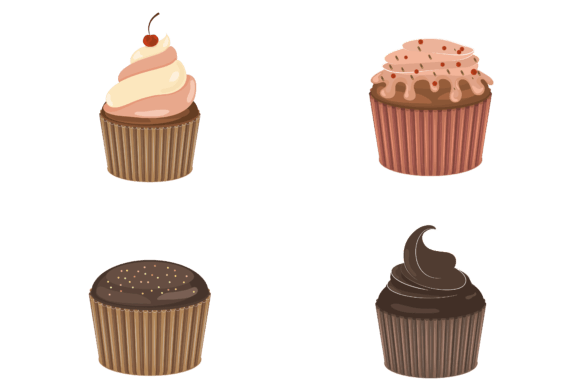
The Cup Cake Design has a soft, cheerful personality that leans into nostalgia without feeling dated. The shape is rounded and friendly, with a frosting swirl that curves upward and a cherry on top — a classic composition that reads instantly. The lines are clean enough to imagine as a stitch path, and the proportions feel balanced. There’s enough detail in the swirls and sprinkles to give an embroiderer something to play with, but not so much that it would turn into a muddy mess under a needle. The overall mood is joyful, the kind of artwork that makes a handmade product feel like a gift before anyone even wraps it.
What struck me most was the design’s versatility. As a digital embroidery file source, it can go in so many directions. You could use it for a simple appliqué shape, a detailed filled version with satin stitch accents, or even a multi-color piece on a sweatshirt. The vector nature of the supplied files (AI, EPS, SVG) means you can scale it without losing a single clean curve. That’s a massive advantage when you’re testing different hoop sizes or planning a custom apparel line where one design might land on a baby bib and a tote bag in the same week.
From Illustration to Embroidery: What You Actually Get
Let’s talk about the files themselves. The product description is clear: five digital files on a generous 1920px by 1280px canvas. The AI and EPS formats are pure vector, the SVG is perfect for open-source editing, and the JPG gives you a quick preview or mockup image. You are not receiving a stitch-ready embroidery file like PES or DST. That’s not a drawback — it’s a design asset. For anyone who works with a digitizer or does their own digitizing, starting with a crisp vector is a dream. The Cup Cake Design’s clean lines translate directly into embroidery editing software, and you can adjust the level of detail for different stitch densities before you ever thread a needle.
I pulled the SVG into my usual workflow, and the layers were organized enough to separate the frosting from the cherry and the wrapper. That’s handy when you’re planning a fill stitch for the base and a satin stitch for the sprinkles. The canvas size is large enough to print a high-quality reference guide, which I always do when I’m choosing thread colors. I’ll pin the printed JPG above my machine and match spools to the frosting pinks and the wrapper’s warm brown tones. For a craft business selling ready-to-ship products, that kind of consistency matters.
Finding the Perfect Project: Where This Design Feels at Home
I wouldn’t slap this design on everything. It has a clear personality, and it belongs on products that feel warm, approachable, and just a little bit celebratory. While I was testing the concept, I mentally ran through a few use cases that felt natural:
- A tote bag design for a bake sale or a bakery boutique — the cupcake reads as food-related without being aggressive.
- A baby embroidery piece on a soft cotton onesie, maybe with the baby’s name arching over the cherry.
- A sweatshirt embroidery accent for a kids’ clothing line, positioned small on the chest or larger on the back.
- An embroidered patch that can be sewn onto aprons, caps, or even a kitchen towel for a holiday gift.
- A pillow cover project for a nursery or a bakery-themed bedroom, scaled up to fill a 6x10 hoop.
What I love about this design is that it doesn’t require a specific season. Cupcakes work for birthdays, Valentine’s Day, Mother’s Day, and just-because gifts. If you’re an Etsy seller or a small shop product maker, you can list the same finished item year-round. That’s a practical selling point. The subject matter is proven, and the design’s friendly appeal makes it an easy add to a handmade product lineup.
Real-World Stitching: What Works and What Needs a Second Thought
I stitched a test version on a medium-weight cotton canvas tote, and the result was promising. The design digitized without much fuss. The frosting swirls translated well into a combination of fill stitch and satin stitch borders, and the cherry’s highlight gave it just enough dimension. But I noticed a few things that any embroiderer should keep in mind before they commit to a final run.
Small hoop sizes will be your enemy if you try to squeeze the entire design into a 4x4 frame. The sprinkles and the fine lines of the wrapper can lose definition when they’re shrunk too aggressively. I’d recommend a minimum of 5x7 for the full design, and even then, you’ll want to simplify the smallest details or sacrifice a few sprinkles. On stretchy fabric like a ribbed tee, the fill stitch can pull the knit and warp the shape. A good cutaway stabilizer is non-negotiable. I also tested on a dark navy sweatshirt, and the frosting colors popped beautifully, but the cherry’s red needed a white underlay to keep it from looking dull. Testing on dark fabric is a step I never skip, and this design proved that rule once again.
If you’re planning to use this on a cap or a curved surface, the design’s rounded top and bottom might distort near the seams. It’s not a dealbreaker, but you’ll need to center it carefully and maybe reduce the overall height. For applique design fans, the cupcake wrapper and frosting could be separated into two fabric pieces, which would cut down on stitch count and add a tactile dimension. I’m already thinking of a fleece appliqué on a baby blanket — soft, cute, and washable.
Thread, Texture, and the Art of Making It Look Professional
Thread color selection for the Cup Cake Design is a chance to shine. I used a soft vanilla for the wrapper, a blush pink for the frosting, and a true cherry red for the top. The sprinkles were a mix of pastel blue, yellow, and lavender — tiny satin stitches that didn’t cause any thread breaks. The stitching clarity held up well on a mid-weight woven fabric, but I’d caution against textured fabric like terry cloth or waffle weave until you’ve tested a sample. The small details will vanish into the nap, and the whole design will feel soft-focused in a way that only looks intentional if you’re after a vintage look.
One thing I always do when I’m reviewing a new design is run a black-and-white mockup. It helps me spot density issues before I waste thread. The Cup Cake Design’s contrast held up nicely — the frosting still read as a distinct shape even in monochrome. That’s a good sign for projects where you might want to stick to a limited palette for a minimalist custom apparel piece. The design’s visual appeal doesn’t collapse when you remove the color; it just gets quieter, which is a sign of a well-balanced illustration.
Customer Trust and the Value of a Recognizable Shape
When you’re selling a finished product, whether it’s a personalized gift or a holiday embroidery item, the design itself carries a lot of weight. The Cup Cake Design doesn’t need a label to tell people what it is. That instant recognition builds customer trust. A buyer scrolling through an Etsy listing sees the embroidered cupcake and already knows the vibe — sweet, handmade, maybe a little nostalgic. That emotional connection is what turns a browser into a purchaser. I’ve seen it happen with dessert-themed designs again and again. The handmade product feels more professional when the design is unmistakable, and this one nails that.
For a small shop product or boutique branding, consistency is key. Because the Cup Cake Design comes in vector formats, you can use it across your marketing materials, your printable mockup images, and the actual embroidered items. The JPG gives you a quick visual for social media or product previews, and the AI file lets you tweak colors to match your brand palette. That kind of flexibility is rare in a $5 or $10 asset, and it’s something I always look for when I’m recommending design assets to fellow makers.
Before You Stitch for Sale: A Few Practical Designer Notes
I know the temptation to jump straight into a production run is real, but I’ve learned to pause. Here’s what I’d suggest to anyone who wants to use the Cup Cake Design in a commercial embroidery project:
- Test on scrap fabric first. I used a piece of the same tote canvas I planned to sell, and the stitch-out looked different from my muslin test. Fabric matters.
- Check thread color contrast. The frosting’s pink and the wrapper’s brown can blend if you’re not careful with shades. Hold the threads up to the printed JPG and adjust before you hoop.
- Review stitch density. If you’re digitizing the file yourself, keep the small sprinkles light. Too much density on a tiny area can cause puckering.
- Confirm hoop size. The full design might not fit your usual 4x4, so scale it down or break it into parts if needed.
- Inspect the small details. The cherry stem and the wrapper’s top edge are delicate. Make sure they’re digitized with enough width to hold their shape.
- Use proper stabilizer. A cutaway for knits, a tearaway for wovens — don’t guess. Your finished product’s longevity depends on it.
- Check licensing before selling. The product description doesn’t specify commercial use terms, so reach out to the seller. That’s not a step to skip. You need to know if you can use the design on finished goods you sell, and whether the license extends to the digitized embroidery version.
One more thing: the Cup Cake Design is an illustration, not a pre-digitized embroidery file. That means you’ll need to work with a digitizer or use your own software to create the stitch file. I actually prefer this approach because it gives me full control over stitch types, pull compensation, and thread colors. The AI and SVG files are perfect for importing into embroidery software, and the 1920px canvas ensures no pixelation. For an Etsy seller or a craft business owner, starting with a clean vector is a better long-term investment than a generic embroidery file that might not match your machine’s tension or your preferred style.
Where the Sweet Spot Lies
After stitching out a few variations and rotating the design through different products, I’d say the Cup Cake Design shines brightest on mid-sized flat items — a tote bag design, a pillow cover, a kitchen towel, or a baby embroidery piece. It’s friendly enough for a child’s birthday gift and sophisticated enough in its simplicity for an adult’s apron. The real magic happens when you treat it as a versatile starting point, not a one-size-fits-all solution. Digitize it thoughtfully, test it on the exact fabric you’ll sell, and you’ll have a finished product that feels custom and special.
For a printable mockup or digital product preview, the JPG and SVG do their job beautifully. The design reads well even at a small scale, so you can incorporate it into your online shop’s branding without losing clarity. That’s a side benefit that often gets overlooked. A potential buyer who sees the same cupcake in your product photos and your embroidered items will feel a sense of continuity — and that’s the kind of brand consistency that builds a loyal following over time.
I don’t hand out praise lightly, but this Cup Cake Design earned its place in my go-to folder. It’s a simple, sweet, well-proportioned illustration that respects the needs of embroidery production. Whether you’re making a holiday embroidery gift, a custom apparel piece, or a set of embroidered patches for a local bakery, it’s a reliable choice. Just remember to test, adjust, and always check the licensing. The rest is just frosting on the cake.